
 Log in


Through Environmental Internship Program, over 100 Princeton Undergraduates Gain Hands-On Experience Across Campus and Around the World
Each summer the High Meadows Environmental Institute organizes and funds dozens of environmental internships for Princeton undergraduates, here on campus and around the world. This past summer, 104 students from 17 departments participated in our annual internship program, gaining hands-on fieldwork experience and contributing to real-world research. They worked with leading faculty in engineering labs and at field stations, analyzed data and tracked wildlife, voyaged to sites from the Arctic to Australia, or even spent weeks aboard a research vessel in the Atlantic Ocean. They studied some of the most pressing environmental issues of our time, including climate modeling, carbon sequestration, predation patterns, “forever chemical” remediation, microplastic capture, sustainable architectural design, algal blooms, hurricane forecasting, plant disease, ecological farming, drought resistance, wildlife trade, clean energy sources and water infrastructure—to name just a few.
As the program approaches its twentieth anniversary next summer, HMEI has to date sponsored over 1,200 environmental internships. Past interns tell us that these experiences brought their education to life, shaped their senior thesis or even changed their academic and career trajectories. Some faculty have reported that the program serves as the workhorse of their fieldwork research.
This fall we’ll publish a complete archive of HMEI’s 2025 environmental interns, and in November we’ll open applications for next summer’s internship opportunities. For now, here are just a few stories from this past summer’s interns, in their own words:
It’s one thing to research the ocean while on land, and quite another to study it aboard a research vessel at sea. This summer Molly Thacker ’28, Darren McKeogh ’28, and Ottilie Sykes ’27 set sail with the Ward Lab to support their ongoing research on nitrous oxide, a key greenhouse gas, and its dynamics in the ocean. Over 25 days in the North Atlantic, from the Chesapeake Bay to the Sargasso Sea, they used complex equipment to collect seawater from multiple ocean depths, filtered and prepared it for DNA analysis, ran samples on a gas chromatograph to determine the amount of nitrous oxide consumed by microorganisms, and subjected seawater to various levels of light to better understand abiotic, light-driven nitrogen reduction, known as photochemodenitrification.
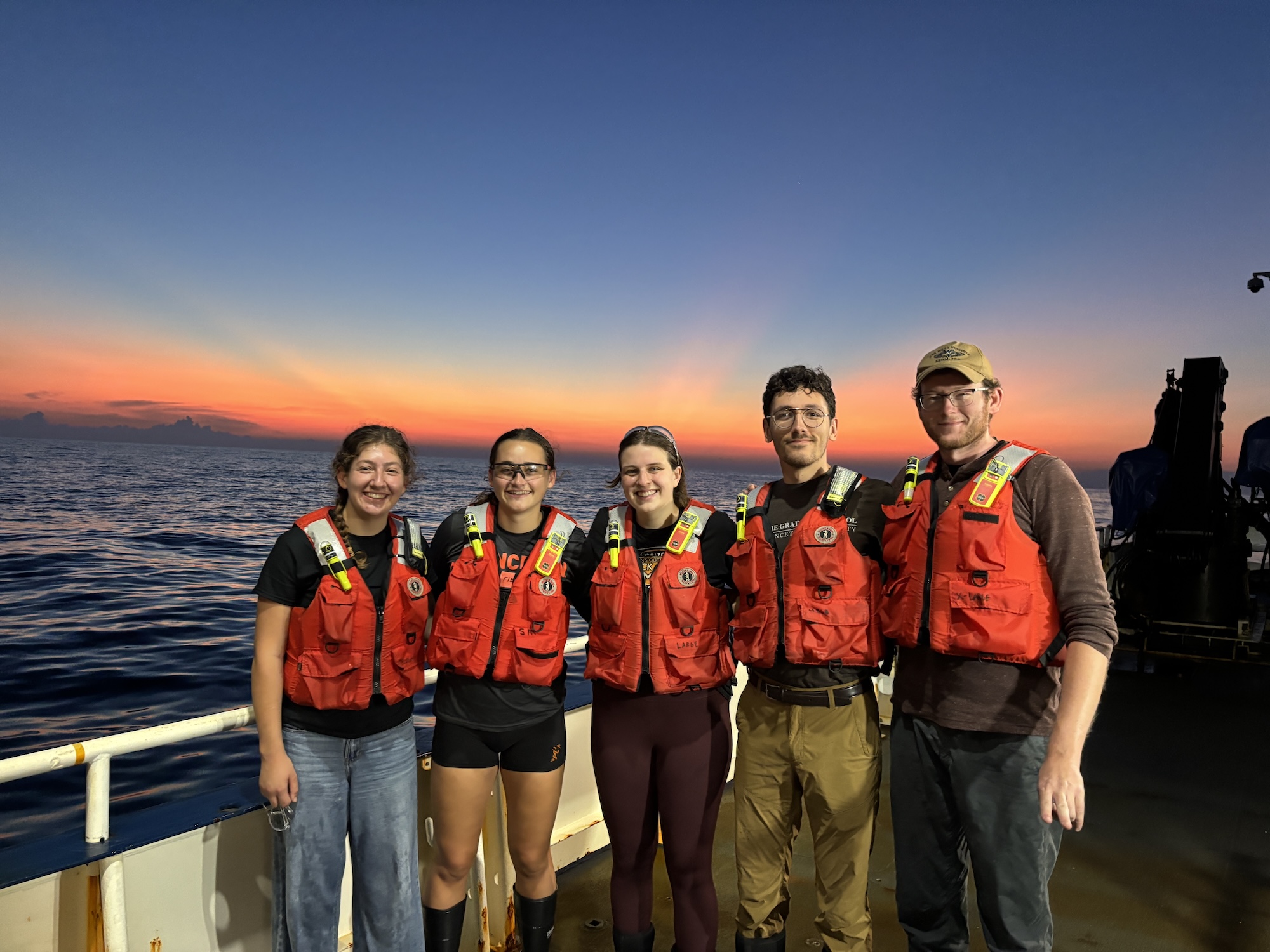
“Working with the Ward Lab taught me that being a scientist is about more than just knowing facts,” said Molly. “It’s about developing physical and technological skills, adapting to problems and finding solutions on the fly, and relying on others who have expertise in different areas. My internship has made me particularly interested in oceanography and its applications to my dream field, astrobiology. I’m excited to take further classes on microorganisms and biogeochemical cycling in the ocean.”
“I learned the importance of oceanography in collecting data for climate modelers to use,” said Darren. “The skills I developed in the lab included methods for maintaining samples contamination free, extraction of DNA from phytoplankton samples and culturing of DNA samples. I will be utilizing these skills in my independent research project, as this internship has inspired research motives for me.”
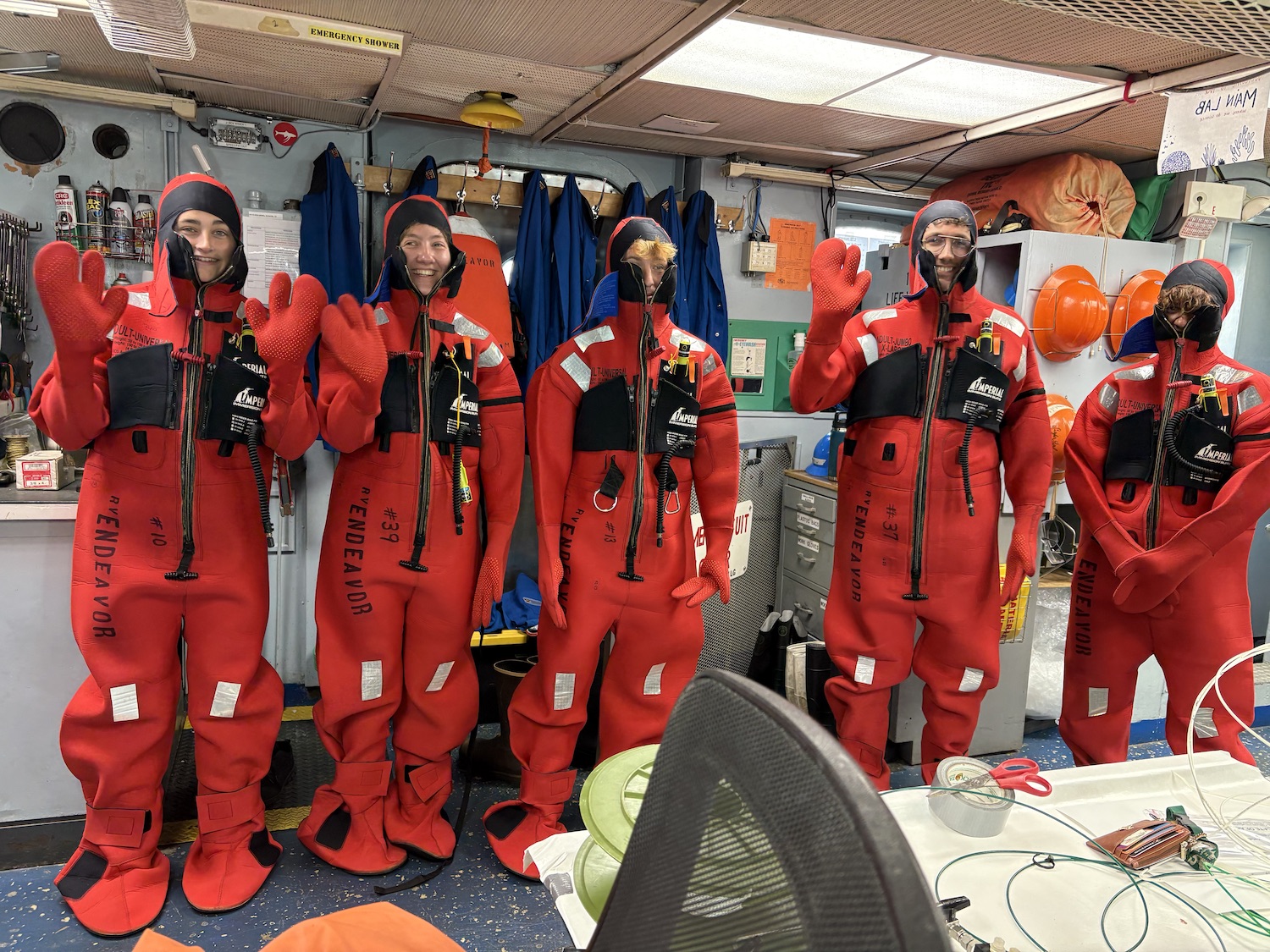
“This experience allowed me to develop hands-on fieldwork experience by assisting in setting up equipment, operating scientific instruments to collect the data, and conducting experiments to learn about the different phases of the nitrogen cycle, particularly photochemodenitrification,” said Ottilie. “It is a concept still in the beginnings of being understood, so it was really interesting to learn about it from the lead author herself.”
Coral reefs are dying worldwide. Amira Samih Mustafa ’28 helped investigate the twin causes: climate change and ocean acidification. Under the direction of Curtis Deutsch, Professor of Geosciences and HMEI, she reviewed dozens of research papers on the metabolic response of marine organisms to high temperatures and low pH and worked with Prof. Deutsch to interpret the data. Next she traveled to Puerto Rico to set up a lab near a coral reef, complete with complex equipment to track factors like pCO₂, temperature and salinity. For her field work, she donned scuba gear and dove in, serious work that she also describes as “tons of fun!”
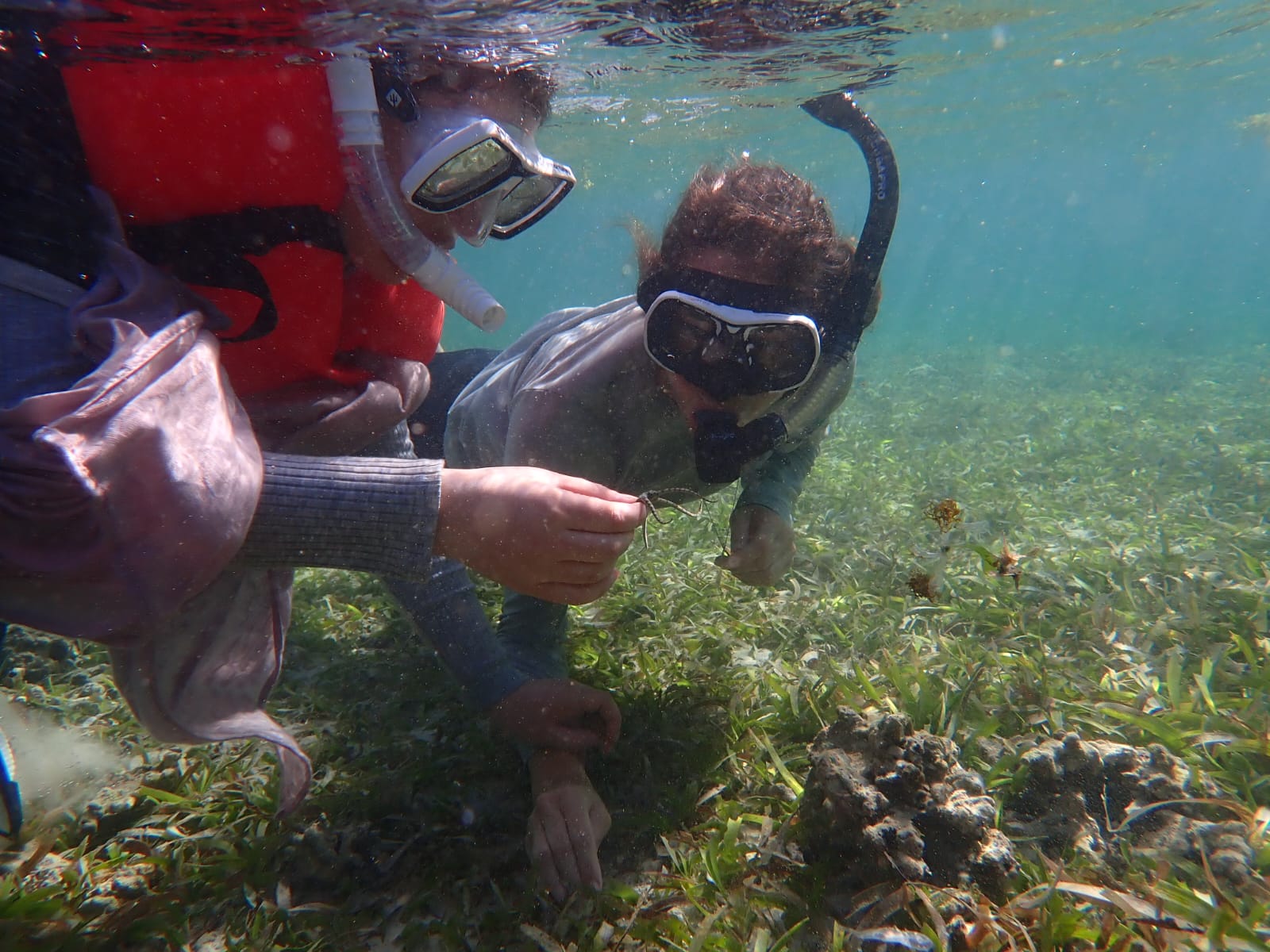
“I learned that the impact of ocean acidification reaches organisms biologically, and is affecting the health of corals worldwide,” said Amira. “I have seen the action taken to find solutions through research, and it is very inspiring when I think about what I want to do career-wise. This internship has helped me picture myself in that field.”
Karina Lad ’28 worked with Luc Deike, Associate Professor of Mechanical and Aerospace Engineering and HMEI, to analyze how air bubbles in water collect microplastics as they rise. Microplastic pollution is pervasive in the ocean, Karina explained, and past research has shown that the bursting of bubbles on the ocean’s surface can transport microplastics from the water to the air. But the underlying physics are not yet well understood. In the lab, Karina used a high-speed video camera to record bubbles in microplastic-contaminated water, then processed the data. She experimented with varying amounts of contaminants and investigated parameters like microplastic concentration and bubble size. By studying these processes more deeply, we can better understand how pollution spreads around the environment—and perhaps how to help slow it.
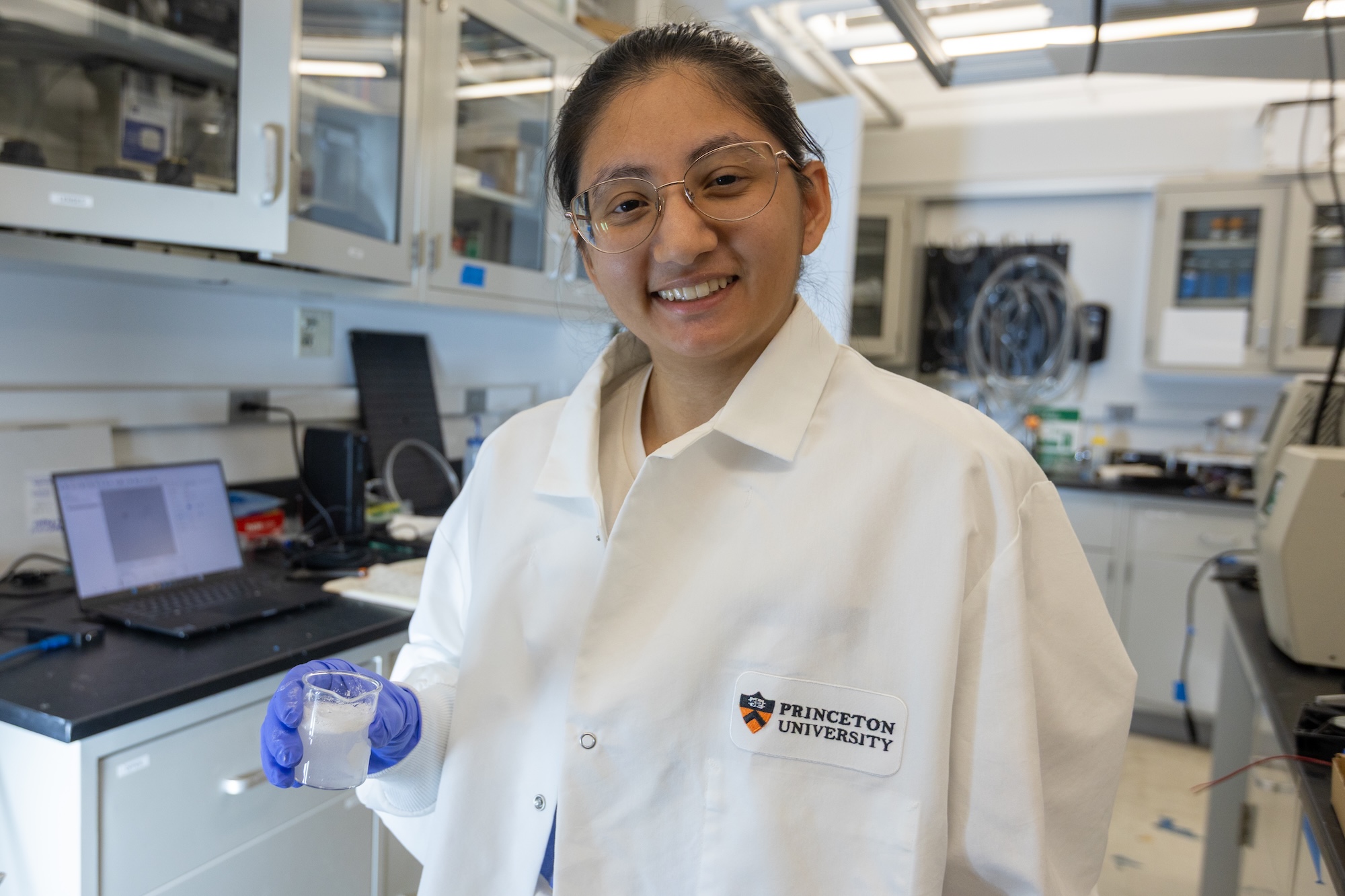
“While it was super fun observing bubbles in the lab and taking images of them,” says Karina, “I didn’t expect that I would also deeply enjoy working with Python to analyze the images. I have reaffirmed my desire to pursue physics while also gaining new skills in data analysis.”
Sam Miller ’26 and Adriana Shields ’27 researched spiral-horned antelope in Mozambique’s Gorongosa National Park to understand factors that influence the animals’ movements. They helped outfit 20 bushbuck with GPS collars and biologger devices, which report the animals’ movement, temperature and heart rate, allowing researchers to track behavioral and physiological responses in real time. They also documented the antelopes’ location, collected vegetation from throughout the park, analyzed nutrient data, and assessed how forage quality varies across Gorongosa’s diverse habitats. This data will help researchers understand antelope behavior and predict species density throughout the park.
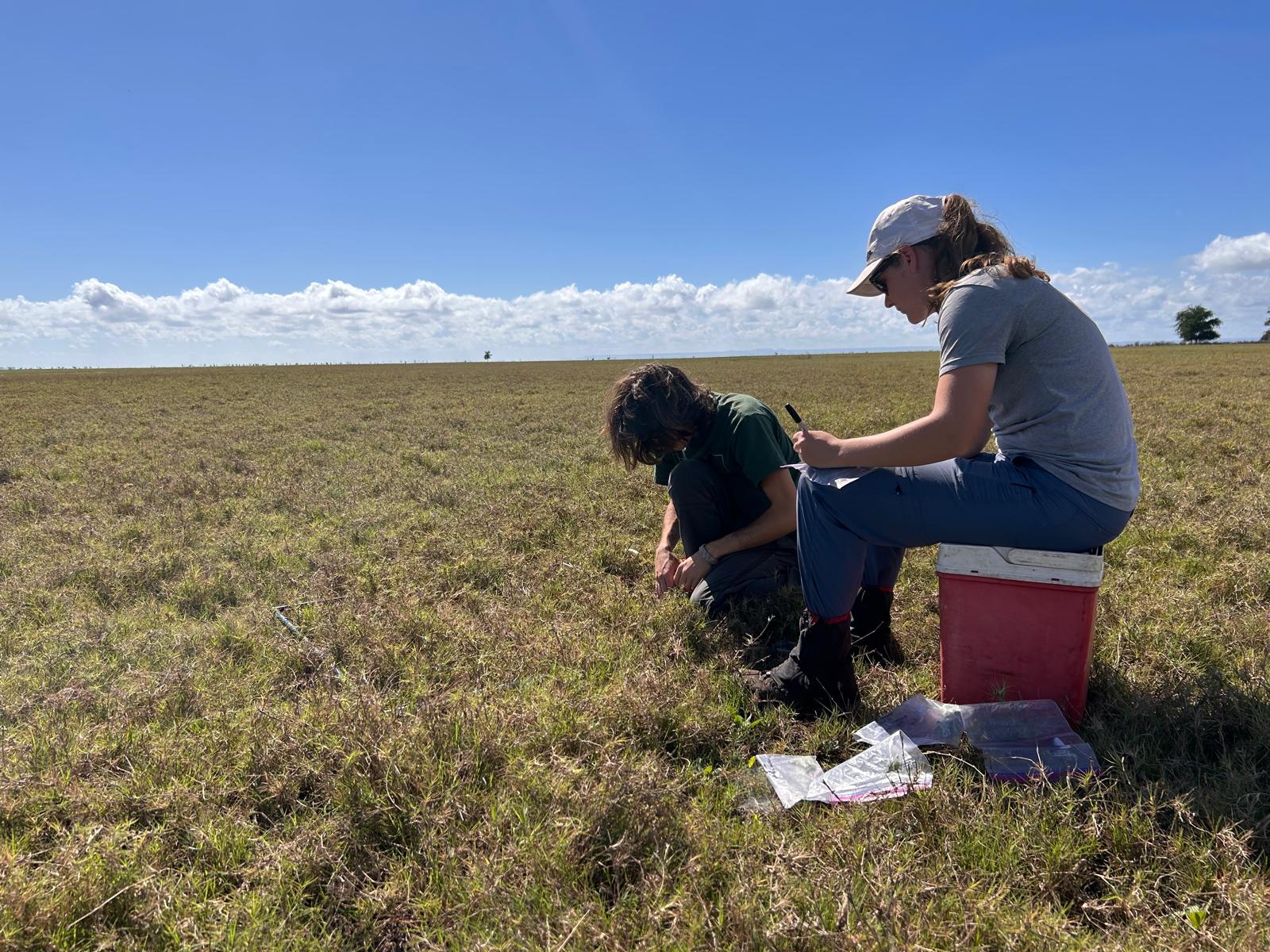
“This was my first experience conducting field research, and I gained invaluable skills and insights,” said Adriana. “I learned research protocols, how to respectfully interact with wild animals, and how to collect high-quality data in a remote and challenging environment. Although the work was often demanding and exhausting, I loved spending each day outdoors and witnessing hundreds of wild animals in their natural habitats, and the opportunity to contribute to meaningful research in such a stunning landscape made it deeply rewarding.”
“I am extremely grateful to have been able to be so directly engaged in cutting edge ecological research that seeks to understand animal behavior at a precise level,” said Sam. “I loved my time working to understand a beautiful natural system amongst many brilliant scientists. This internship has reinforced my desire to pursue research and attend graduate school.”
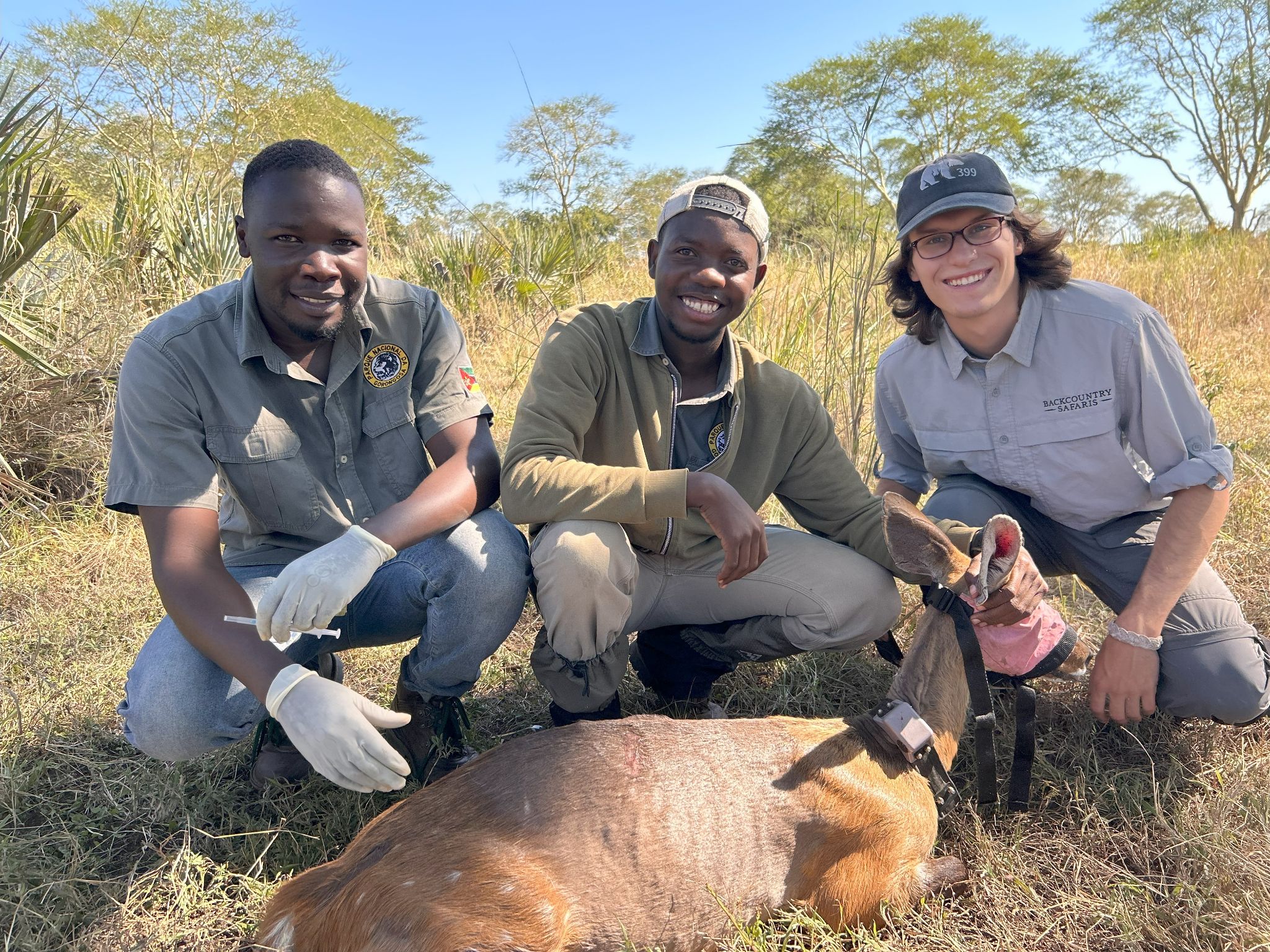
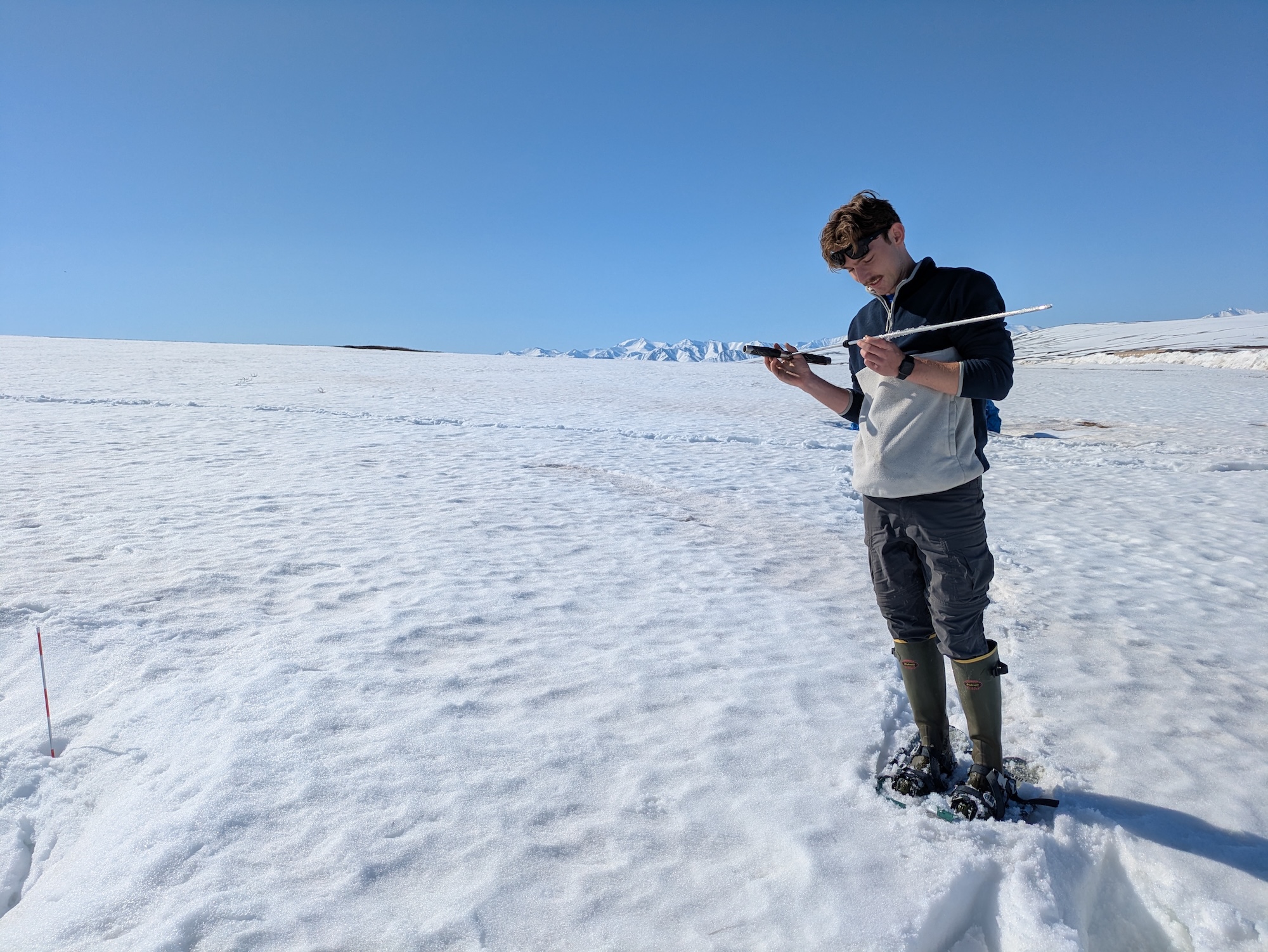
As the climate warms, shrubs in the Arctic are expanding—but it’s not yet clear why. Hannah Floyd ’27 and Erik Luijendijk ’27 traveled to the Toolik Field Station way up in northern Alaska to research several hypotheses behind this phenomenon—including warmer temperatures, longer growing seasons, and increased nutrient levels. Their experiments involved manipulating these variables across more than 120 plots through methods such as placing warming chambers on top of the tundra, adding nitrogen and prematurely shoveling snow from certain plots. Throughout the summer, they studied how these variables affected our study shrubs by monitoring their growth, and then parsing the data in real time. Along the way, they worked with and learned from a team of brilliant scientists.
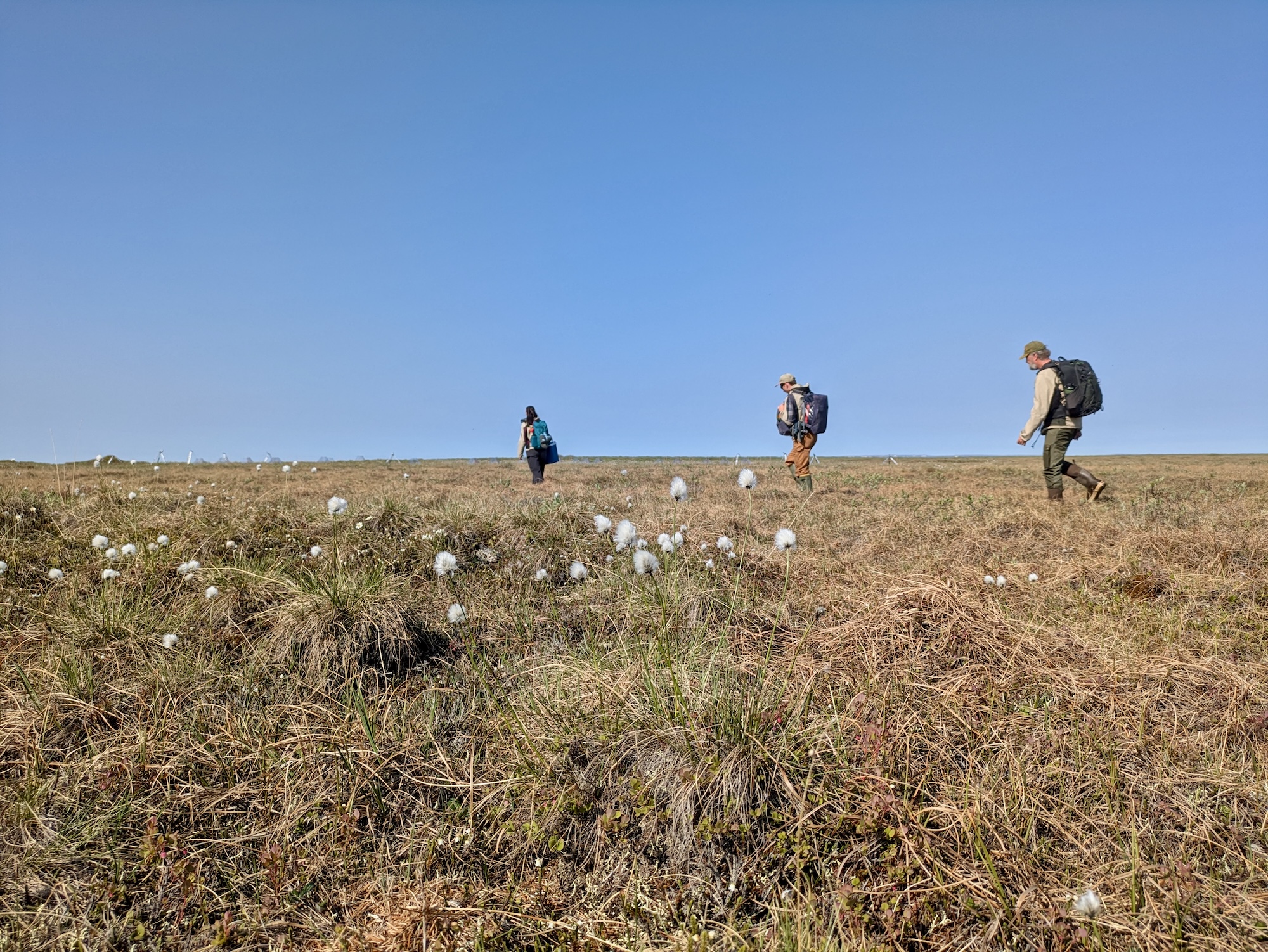
“This was an incredible learning experience for me in terms of the breadth of knowledge I gained in field work methods,” said Hannah. “Being able to do a close-up study of plants in the remote Alaskan Arctic is truly a one-of-a-kind experience. I have become captivated by this landscape and hope to continue studying this rapidly changing but very important ecosystem.”
“This internship was amazing,” echoed Erik. “It was unreal to spend so much time at a field station in such a remote area. I learned so much about scientific academic research during all stages; from setting up the experiment to doing data analysis. I was able to experience firsthand how a field station operates, along with seeing infrastructure able to withstand -40 C.”
As interns at The Watershed Institute in Pennington, New Jersey, Riley Samples ’28, Fiona Wolter ’28, and Lillian Raphael ’28 supported the non-profit’s StreamWatch water quality monitoring program. Fieldwork included processing water samples from the Stonybrook watershed and beyond to assess local water quality and safety. This required conducting nutrient, turbidity and E. coli tests on up to 80 local samples weekly, as well as on six samples collected from locations stretching from Camden and Philadelphia. They also scanned for harmful algal blooms, monitored the Watershed’s onsite pond, and published publicly viewable recommendations on water use.
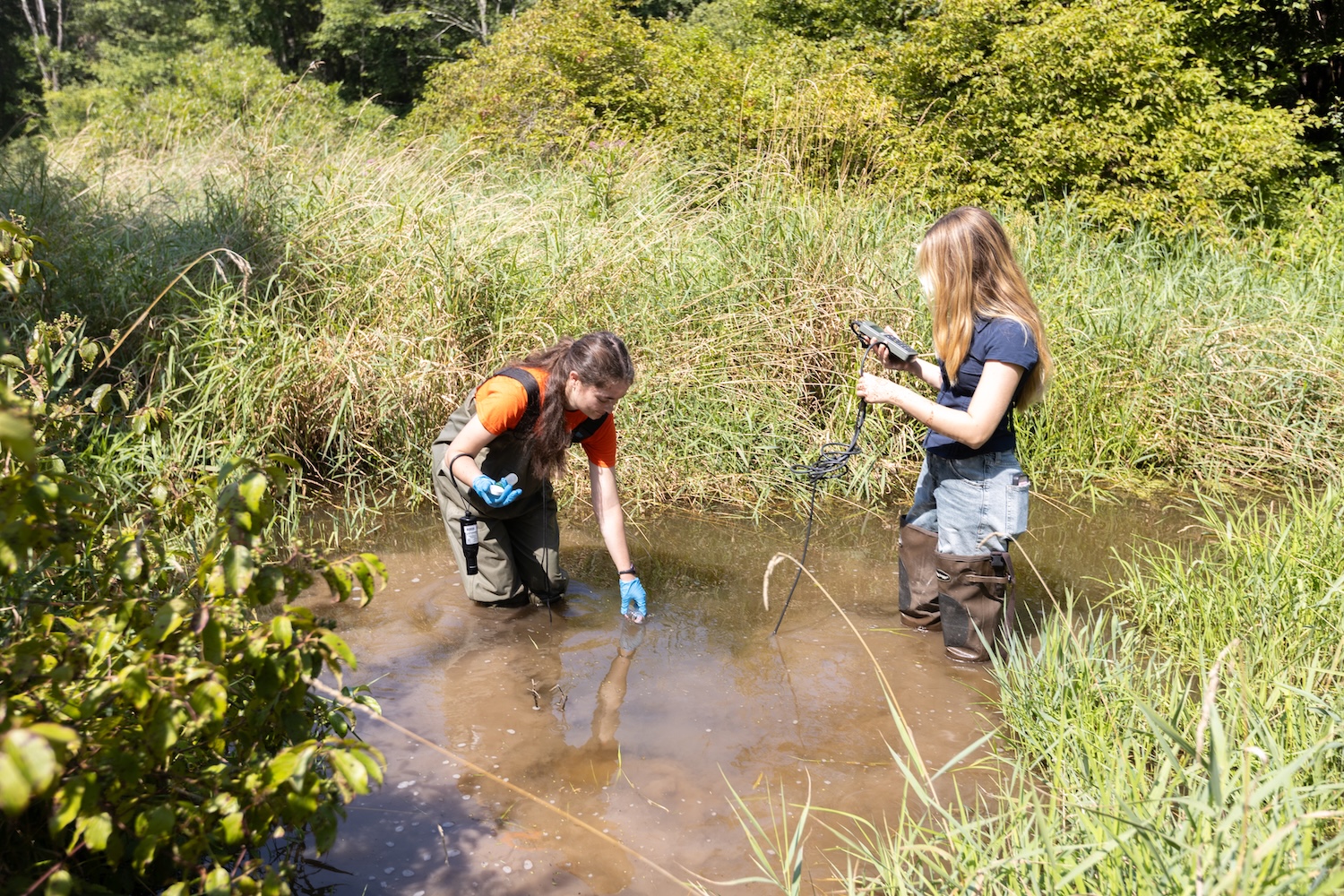
“I learned how to perform both lab work, fieldwork, and complete data management tasks,” said Riley. “The most interesting part of this work was how we got to see our our tasks from beginning to end, from sample collection to data analysis.
“I came to recognize the connection between human developments, freshwater quality, and environmental and human health,” said Lillian. “Part of my work that was interesting to me was being able to both collect current data, which is used to inform the public, while also working with older data. This allowed me to understand both the immediate and long-term use of the water quality data.”
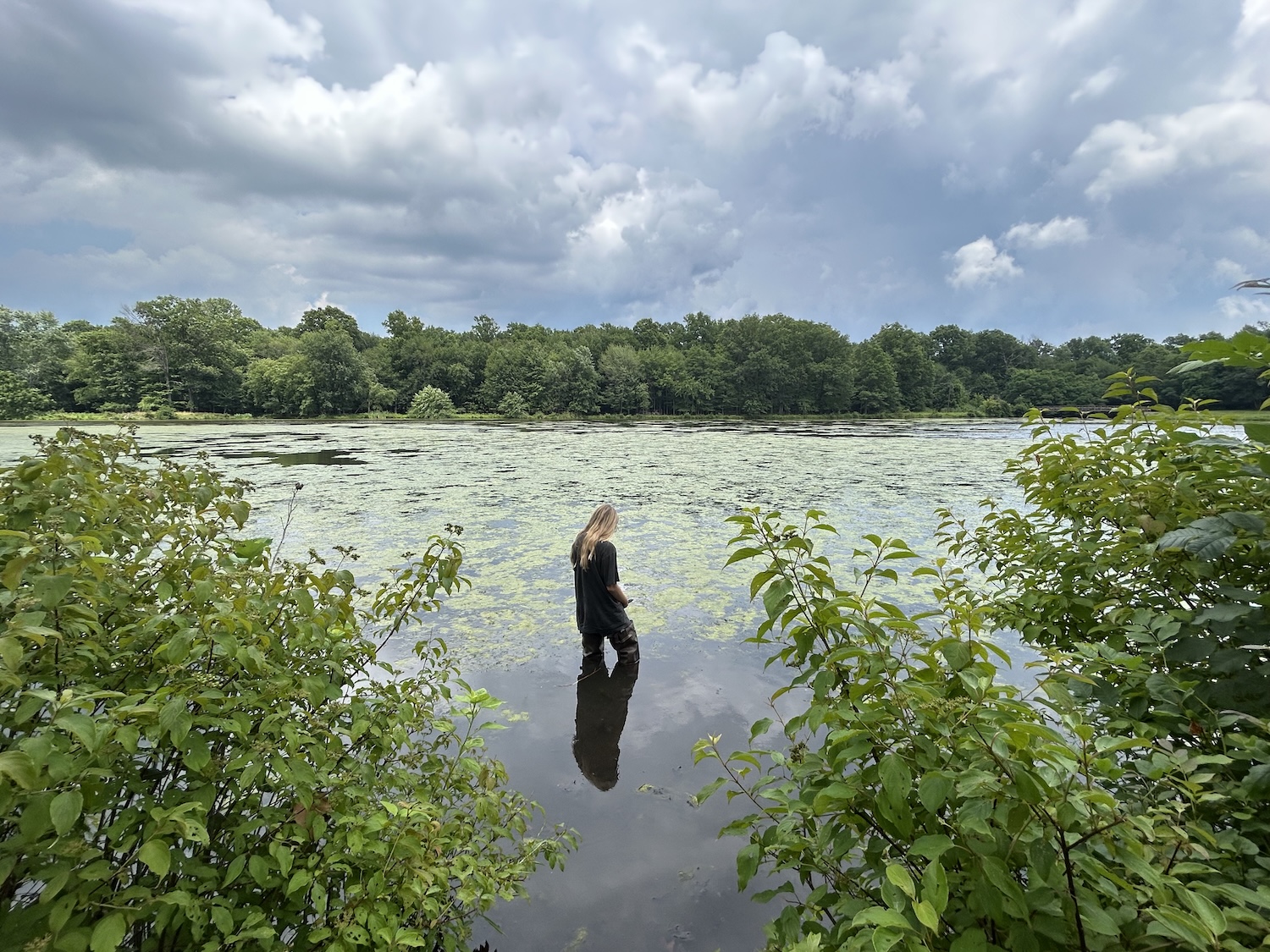
“The internship offered an invaluable introduction to the multifaceted work of environmental scientists,” said Fiona. “I gained hands-on experience in wet-lab processing, field work, and data analysis while learning more about the water quality of streams and lakes near Princeton.” Fiona also refined procedures of the Discrete Gallery Analyzer, which measures nutrient levels in water samples. “It was fascinating to dive into the intricacies of the machine’s mechanics and uncover the subtle variables that influence its performance,” she said.
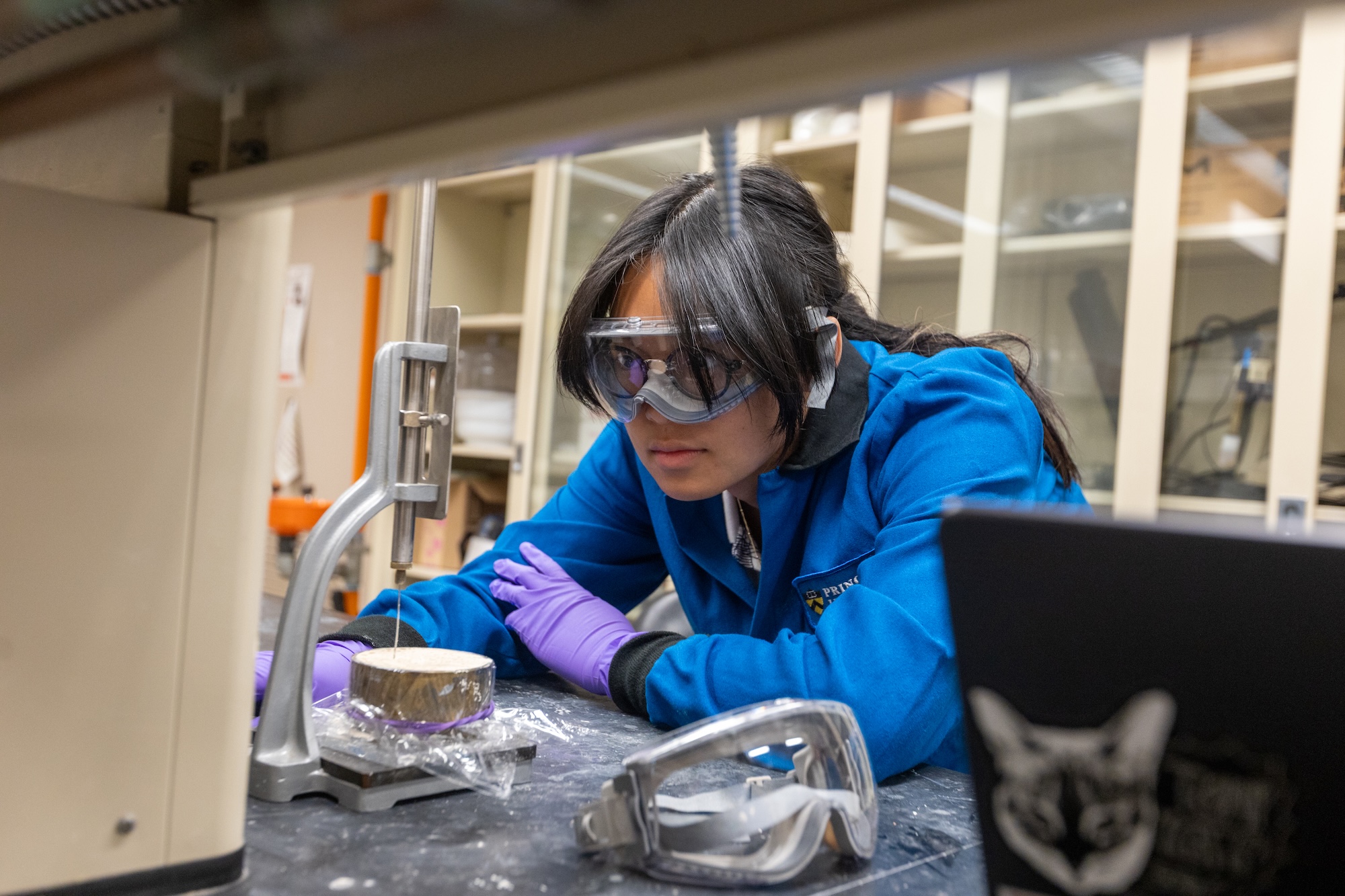
The world’s most common cement—known as Ordinary Portland Cement—is a major contributor to climate change. That’s because its main component, clinker, emits significant CO₂. But Claire White, Professor of Civil and Environmental Engineering and the Andlinger Center for Energy and the Environment, is investigating more ecological alternatives. This summer, Callisto Lim ’28 and Abigail Zhang ’28 interned in her Sustainable Cements Group lab to help study two potential options that reduce clinker use with calcined clays. In one, calcined clay and limestone partially substitute clinker, reacting to create hydration products that give the mixture durability and strength. In the other alternative, calcined clay fully replaces clinker and reacts with an alkaline activator solution to produce an amorphous aluminosilicate gel, contributing to high stress tolerance. Callisto and Abigail investigated designs, observed reactivity, tested for strength levels and parsed data. They found comparable strength results with far lower carbon emissions.
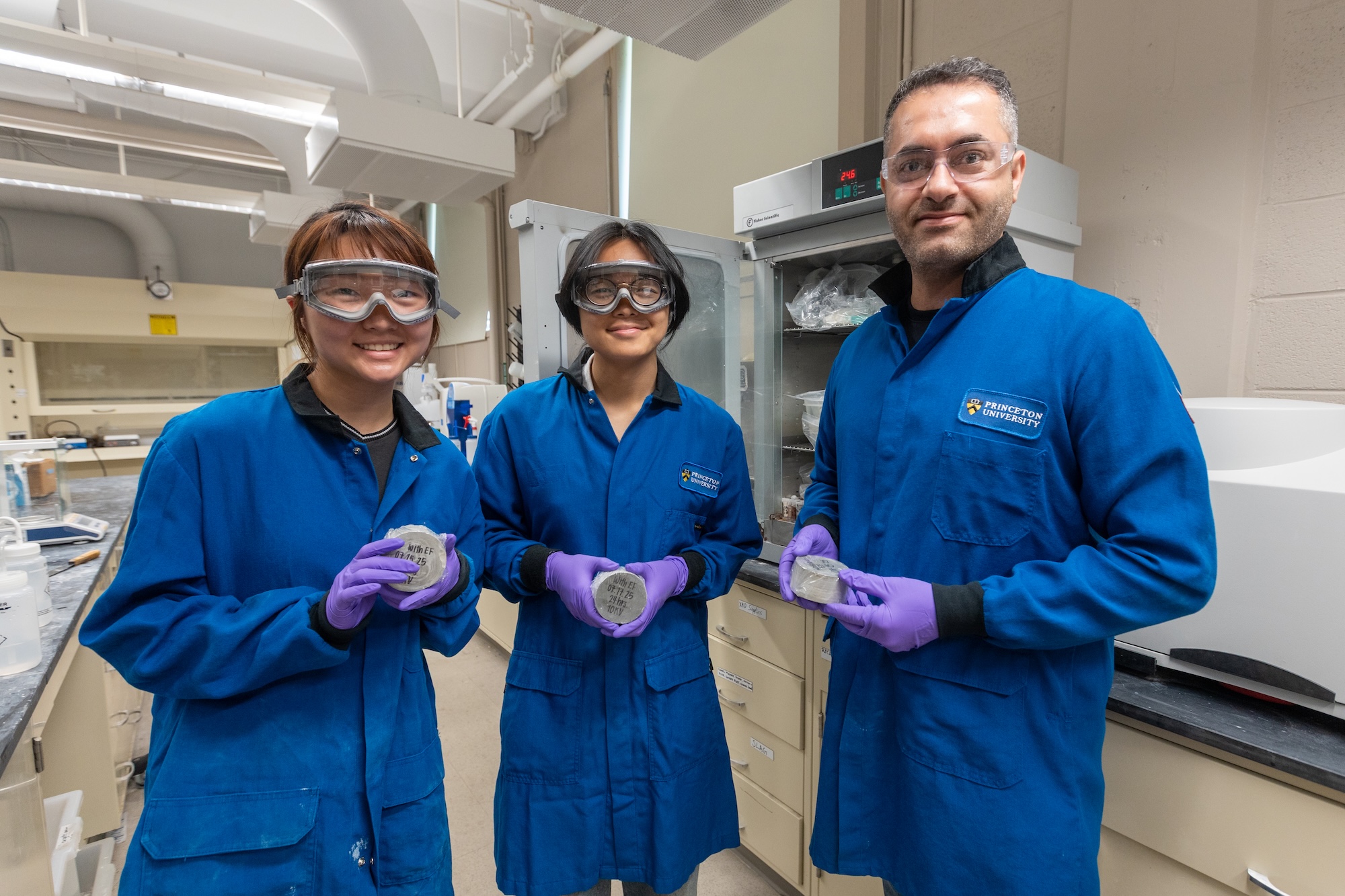
Abigail called the work “a rewarding experience since I looked forward to seeing the developing strength of our cement samples. This internship has encouraged me to pursue a minor in materials science, as I found our lab work and research content very interesting, and I look forward to participating in research about sustainable materials in the future.”
“The combination of completely novel research along with the intense hand-on experience involved in my internship gave me a feeling of complete immersion within the research,” said Callisto. “I loved the process of research and the generation of new questions from every discovery and being able to pivot and spend more of my time on whatever I was most curious about.”
Follow HMEI on Instagram for more stories from our summer 2025 environmental interns. Applications for 2026 internships will open in late November.